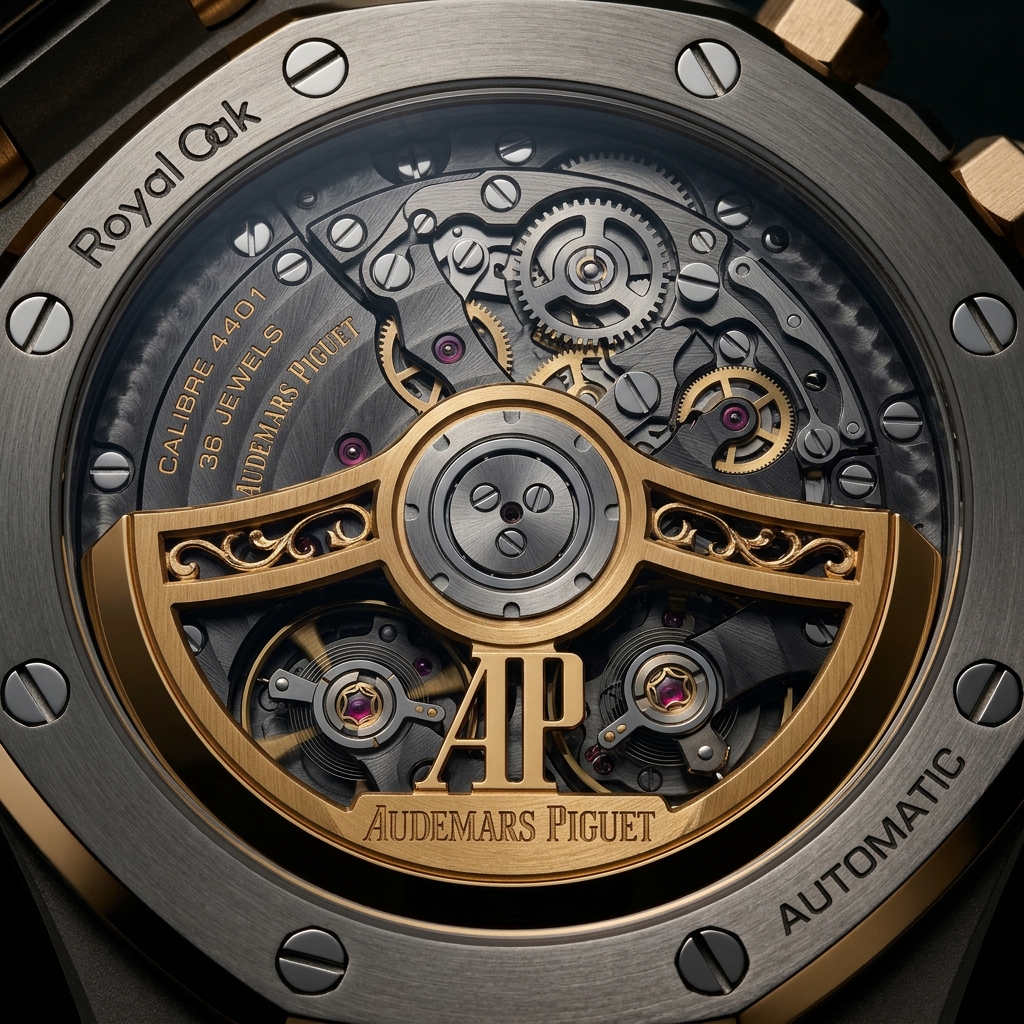
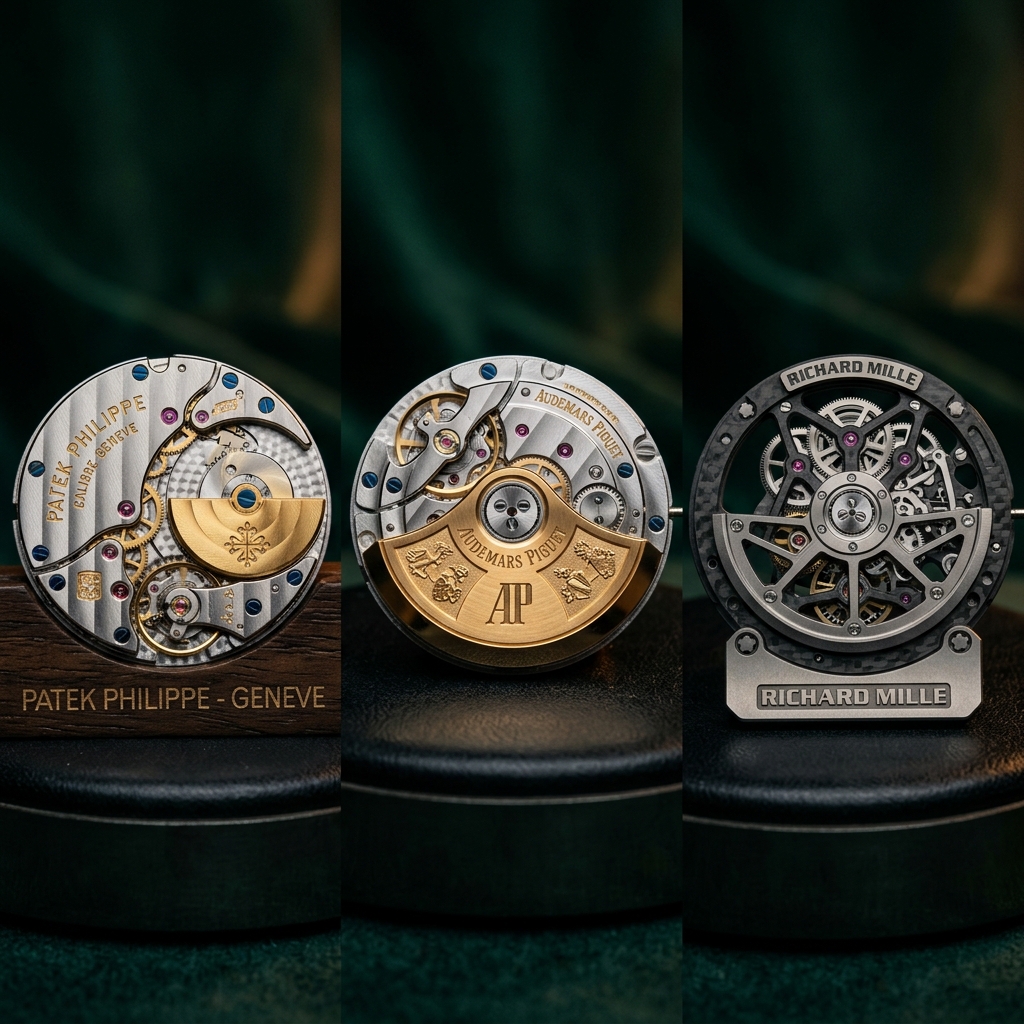
For decades, spotting a fake watch was a matter of common sense. You looked for a "ticking" seconds hand, a lightweight bracelet, or a misspelled logo. But in 2026, the game has changed. We are living in the age of the "Super Clone": counterfeits so precise they are built using the same 904L steel and ceramic materials as the originals, often featuring 1:1 cloned movements.
To protect your investment, you must move beyond the basics. Here is how to audit a luxury timepiece in the modern era.
1. The Weight: Beyond the Scale
Historically, fakes felt "tinny" because they used hollow links. Modern high-tier replicas use solid 904L steel and, crucially, tungsten inserts to mimic the density of precious metals like gold or platinum.
The Pro Tip: Don't just check the total weight; check the balance. In a genuine Rolex or Patek, the weight is distributed mathematically between the head and the bracelet. Fakes are often "top-heavy" because the tungsten is concentrated in the case, while the bracelet links remain standard steel.
2. The Cyclops: The "Black Hole" Effect
The Cyclops lens (the date magnifier) remains a high-difficulty hurdle for counterfeiters. On a genuine Rolex, the lens provides exactly 2.5x magnification.
The Depth Check: On a real watch, the date should look "ink-heavy" and almost 3D.
The "Black Hole": Most modern Rolex crystals have a high-performance anti-reflective (AR) coating only under the Cyclops. When viewed at an angle, the date window should remain dark and crisp (the "Black Hole" effect), whereas fakes often show a blueish tint or a distracting glare.
3. The Movement: Winding and Reserving
Don't rely on the "sweep" of the seconds hand: high-end fakes now beat at 28,800 vibrations per hour, just like the real thing. Instead, focus on the tactile feedback:
The Wind: A genuine Rolex Calibre 3235 winds with a smooth, buttery resistance. Cloned movements often feel "gritty" or produce a slight "clicking" sound that is audible if you hold it to your ear.
The Power Reserve: A genuine modern Submariner has a 70-hour power reserve. Most Super Clones, despite their labels, still struggle to pass 48 hours. If the watch dies after two days in the safe, it's a red flag.
4. Micro-Finishing: The Loupe Doesn't Lie
This is where the illusion breaks. Under a 10x or 20x jeweler's loupe, look for:
Hands and Indices: On a genuine watch, the edges of the hands are polished to a mirror finish. On a fake, you will see microscopic burrs or "steps" from the stamping process.
The Rehaut: The "RolexRolexRolex" engraving on the inner ring of a genuine piece is perfectly aligned with the minute markers. On fakes, the "X" and "R" often drift slightly off-center.
The LEC (Laser Etched Coronet): At the 6 o'clock position on a Rolex crystal, there is a tiny laser-etched crown. On a real watch, this is made of hundreds of tiny dots at different depths and is almost invisible to the naked eye. If you can see it easily without a loupe, it's likely a fake.
5. The Digital Passport
In 2026, the most significant "complication" is the Digital Twin. Many top-tier brands now embed NFC chips in the warranty card or the watch itself.
Blockchain Verification: Brands like Breitling and those in the Aura Blockchain Consortium now provide a "Digital Passport." Before buying, ask the seller to "tap" the card to a smartphone to pull up the immutable blockchain record. If they can't or won't, walk away.
The Golden Rule: "Buy the Seller"
In a world of Super Clones, the watch is only as good as its provenance. Buying from a private seller on a social media marketplace is a high-stakes gamble. The premium you pay at a reputable authorized dealer or a certified pre-owned specialist isn't just for the watch; it's for the legal guarantee that your investment is real.